What to Anticipate Throughout Your First Visit With an Orthodontist
Visiting an orthodontist for the first time can be a zero hour in oral care. People usually encounter a structured process that consists of assessments, discussions, and treatment preparation. From filling in necessary types to going through analysis imaging, each step is created to customize care to individual demands - Orthodontist. Recognizing this procedure can assist ease any type of worries. What occurs following may shape the course of treatment and general dental health and wellness, making it essential to recognize what to anticipate
What to Give Your Visit
When participating in the initial visit with an orthodontist, it is important to come ready. People ought to bring a listing of any type of medicines they are presently taking, consisting of dosages, as this information is essential for the orthodontist's analysis. Additionally, it is advisable to have insurance information conveniently offered, along with any recommendations from a general dental professional. New people need to additionally bring a legitimate kind of identification, such as a copyright or insurance card. Recording any type of particular worries or questions in advance can assist assure an effective conversation during the consultation, establishing the phase for a favorable orthodontic experience.
The Preliminary Introduction and Check-In Process
Upon getting to the orthodontic workplace, clients usually sign in at the function desk. An employee welcomes them comfortably, commonly requesting their name and confirming appointment details. People may be called for to load out forms concerning their case history and insurance coverage details. This initial communication sets a welcoming tone, aiding to ease any type of nerves. As soon as checked in, patients may be routed to a waiting area up until their appointment begins - Orthodontist In Cumming GA. Throughout this time, the personnel assures a comfy atmosphere, frequently providing publications or home entertainment alternatives to assist pass the time prior to the orthodontic examination
The Orthodontic Assessment
During the orthodontic assessment, the practitioner performs a preliminary assessment to assess the person's dental and face structure. This procedure often includes taking X-rays and imaging to get an extensive view of the teeth and jaw positioning. These essential steps aid the orthodontist develop an efficient treatment strategy customized to the person's demands.

Initial Evaluation Refine
As the patient goes into the orthodontist's workplace, the initial evaluation procedure begins with a thorough evaluation designed to review the alignment of teeth and the general dental framework. The orthodontist meticulously examines the teeth for crowding, spacing, and attack discrepancies. Additionally, they assess the jaw's placement and any kind of possible useful concerns. The orthodontist might likewise ask about the client's dental background, consisting of previous therapies and present worries. This substantial evaluation aids in figuring out the most ideal therapy strategy customized to the person's certain requirements. Developing a clear understanding of the individual's dental wellness is essential for effective orthodontic care.
X-rays and Imaging
Following the first evaluation, X-rays and imaging play an important function in the orthodontic evaluation. These diagnostic tools enable the orthodontist to visualize the underlying frameworks of the teeth and jaws, assisting in the identification of issues not noticeable during a checkup. Typical imaging techniques consist of cephalometric radiographs and panoramic x-rays, which give thorough views of skeletal and oral connections. This details helps the orthodontist establish a tailored therapy plan. In addition, digital scans might be used to create 3D versions of the individual's teeth, improving treatment accuracy and effectiveness. Overall, these imaging techniques are crucial for efficient orthodontic treatment.
Analysis Records and Imaging
Before creating a treatment strategy, orthodontists rely upon comprehensive analysis records and imaging to assess a person's oral wellness and alignment. This procedure usually involves acquiring detailed photographs of the teeth and face, in addition to dimensions of the oral arch and bite. Additionally, orthodontists may utilize digital scans or impressions to produce exact depictions of the client's mouth. These analysis records aid recognize specific positioning problems and help in preparing effective therapy strategies. By meticulously assessing this details, orthodontists can assure a tailored method that resolves individual requirements and promotes suitable results for each and every person.
Discussion of Treatment Choices
During the conversation of therapy alternatives, the orthodontist provides numerous sorts of dental braces and clear aligners tailored to the individual's demands. Aspects affecting therapy duration, such as the seriousness of the instance and patient compliance, are additionally resolved. This helpful discussion helps set realistic expectations for the orthodontic trip in advance.
Kinds of Braces
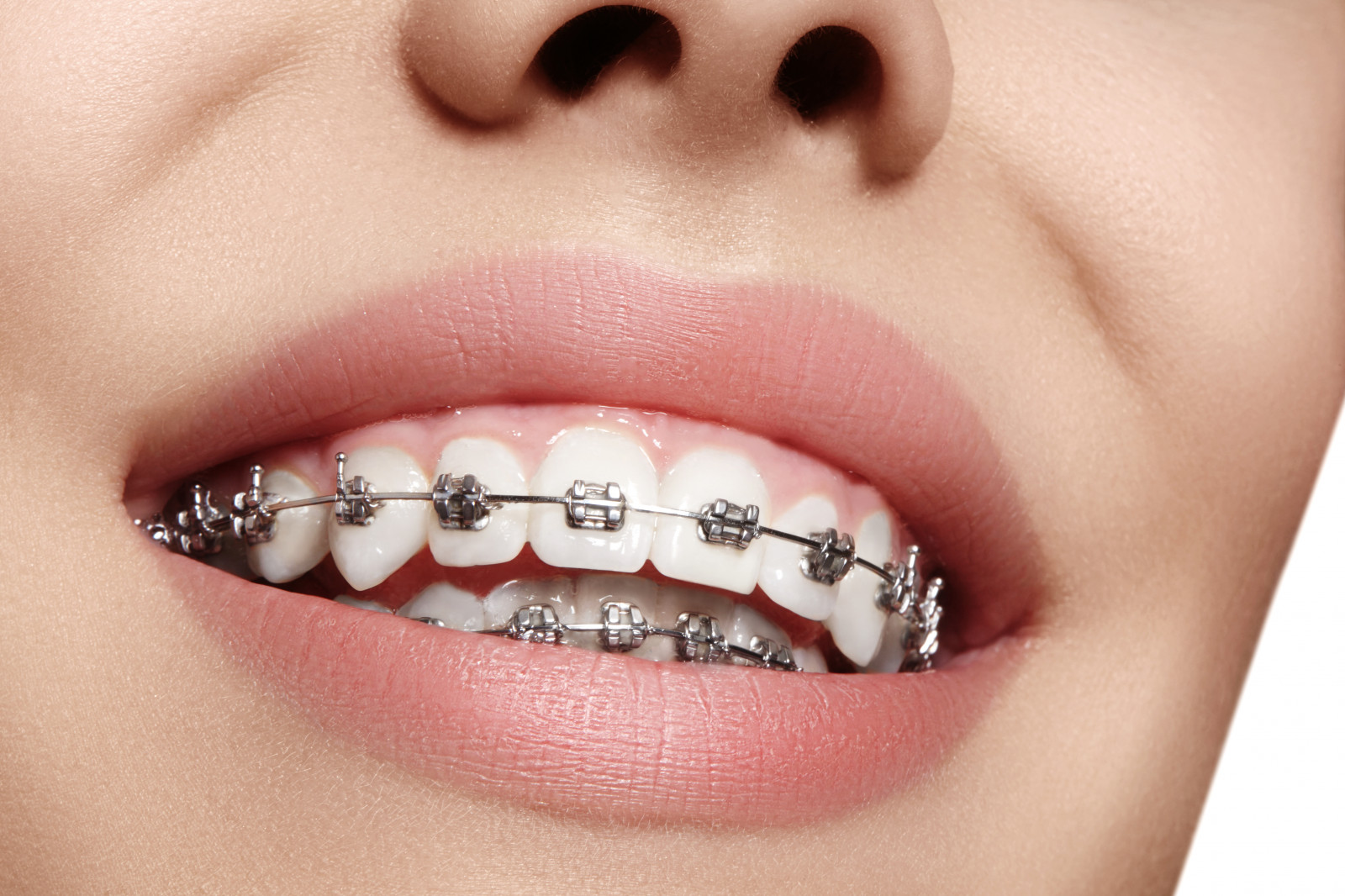
Braces come in numerous types, each created to address particular orthodontic requirements and client preferences. Conventional steel dental braces are the most usual, making use of stainless-steel braces and cables for efficient tooth movement. Ceramic braces use an extra discreet option, utilizing tooth-colored materials that mix with the teeth. Lingual braces are positioned on the back of the teeth, making them practically undetectable (Orthodontics). Self-ligating braces streamline the change process, minimizing the frequency of brows through. For those looking for convenience, clear plastic braces offer a less recognizable choice. Each kind of support has unique advantages, enabling orthodontists to tailor therapy to private requirements
Clear Aligners Described
Clear aligners stand for a modern-day choice to typical braces, attracting those that focus on appearances and comfort in their orthodontic therapy. These personalized, transparent trays progressively shift teeth right into the wanted placement, offering a discreet option for both grownups and teenagers. People generally get a collection of aligners, each put on for concerning two weeks before switching to the following in the sequence. Clear aligners are detachable, permitting simpler upkeep of dental health and versatility throughout dishes. Successful treatment needs patient compliance in wearing the aligners for the recommended 20 to 22 hours daily to attain ideal results.
Treatment Period Factors
Several elements influence the period of orthodontic therapy, affecting the length of time clients will require to use their aligners or braces. The complexity of the situation is vital; serious imbalance often calls for longer therapy than mild instances. Individual age also contributes, as more youthful patients might experience quicker modification periods. Conformity with the orthodontist's directions, including putting on home appliances as directed, directly influences therapy duration. Additionally, the kind of orthodontic device-- typical dental braces versus clear aligners-- can result in variants in time needed. Normal follow-up appointments and the body's feedback to treatment further impact the overall timeline for accomplishing desired outcomes.
Addressing Your Concerns
What should one expect throughout their first visit to an orthodontist? Throughout this consultation, the orthodontist will take some time to attend to any type of questions or worries the patient may have. This is a possibility to gain clearness on the treatment procedure, including options anticipated and available results. The orthodontist motivates patients to ask see this page regarding the period of treatment, potential pain, and care guidelines. Furthermore, they may describe the value of keeping dental health throughout the orthodontic procedure. In general, this session intends to ensure the patient really feels notified and comfy moving on with their orthodontic trip.
Following Steps and Scheduling Follow-Up Visits
After the first assessment, the orthodontist will certainly outline the following actions in the therapy process, including the organizing of follow-up consultations. Usually, these visits will be spaced every four to six weeks, permitting the orthodontist to check progress and make needed changes. Patients will certainly receive a treatment plan detailing the duration and purposes of their orthodontic journey. It is essential for patients to comply with the schedule to ensure ideal results. In addition, the orthodontist might supply directions on care and maintenance, which must be adhered to vigilantly between sees to promote effective treatment and keep oral health and wellness.
Often Asked Concerns
The Length Of Time Will My First Appointment Usually Last?
Can I Bring a Relative or Good Friend for Support?
Yes, people can bring a member of the family or pal for assistance during their visit - Invisalign Provider Cumming GA. This can help ease anxiety and give convenience, allowing people to really feel much more kicked back and participated in their orthodontic appointment
Will I Experience Any Type Of Pain During the Evaluation?
Throughout the assessment, discomfort is normally very little. Most people report slight stress or level of sensitivity, specifically if modifications are needed. Generally, the experience is manageable, and any type of pain generally subsides quickly after the consultation wraps up.
Exist Age Constraints for Starting Orthodontic Therapy?

There are no stringent age restrictions for beginning orthodontic treatment (Orthodontist). Nonetheless, early examinations are useful, commonly around age seven, enabling prompt treatment. Treatment can properly occur at any type of age, relying on individual oral demands
What if I Have Dental Anxiousness or Fear?
People experiencing oral anxiousness or fear might gain from discussing their interest in the orthodontist. Lots of practices use soothing strategies, sedation options, or supportive environments to assist clients feel much more comfortable throughout therapy.
The orthodontist might likewise make inquiries about the client's dental background, including previous therapies and current problems. Prior to formulating a therapy plan, orthodontists depend on thorough analysis documents and imaging to examine an individual's oral wellness and positioning. Throughout the conversation of therapy choices, the orthodontist provides different kinds of braces and clear aligners tailored to the person's needs. Person age additionally plays a duty, as younger patients may experience faster modification durations. The orthodontist motivates individuals to ask concerning the period of therapy, prospective discomfort, and care directions.